Irish Links to Budapest: An Engaging Guide for Curious Tourists
Ireland and Hungary go way back, sharing centuries of history—think medieval scholars and modern independence movements. About 1,000 Irish citizens live in Hungary, with roughly half based in Budapest, where they keep the vibe alive through cultural events, business networks, and sports clubs.
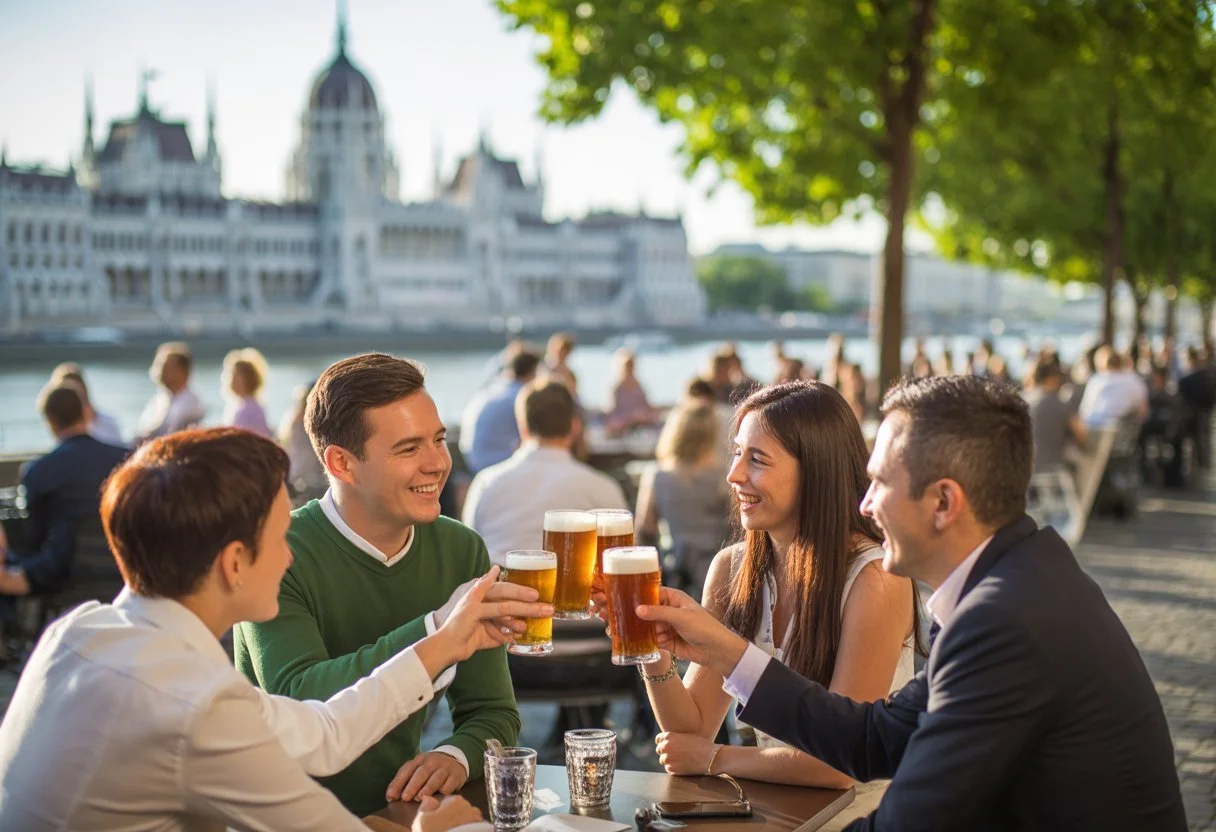
The Irish-Hungarian Business Circle, which got rolling in 2005, brings both communities together for professional and social gatherings all year round.
Budapest throws one of Central Europe's biggest St Patrick's Day celebrations every March at Szabadság tér. The festival means parades, live music, Irish food, and activities that pull in thousands.
Beyond that, you'll spot Irish pubs with trad sessions, the Budapest Gaels GAA club playing Gaelic football, and about 200 Irish students in Hungarian universities.
Trade between Ireland and Hungary has hit nearly €5 billion in recent years, with plenty of Irish companies running Hungarian branches. Ireland played a big part in Hungary's 2004 EU accession, which really tightened diplomatic bonds.
Direct flights now make travel between the two countries a breeze. Whether you're thinking of visiting, relocating, or just plain curious about Irish-Hungarian connections, Budapest has a genuinely welcoming Irish community and plenty of ways to soak up both cultures.
Key Takeaways
About 500 Irish citizens call Budapest home, supported by active community groups and the Irish Embassy.
St Patrick's Day at Szabadság tér draws thousands every March—parades, music, and all the good stuff.
Irish companies employ hundreds in Hungary, and trade between the countries keeps growing thanks to EU cooperation.
Foundations of the Irish Presence in Budapest
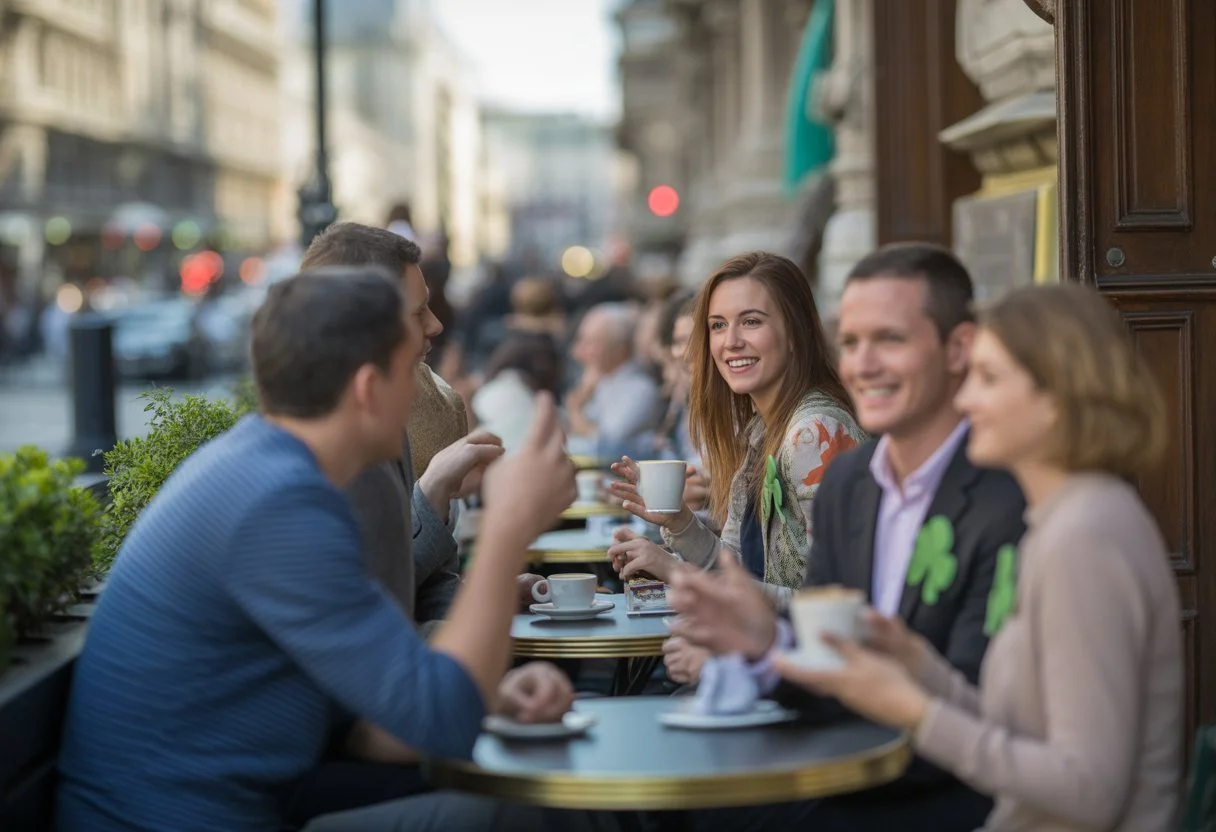
The Irish community in Budapest traces its roots through centuries of shared history, formal diplomatic milestones, and places that anchor Irish culture in Hungary's capital. These connections started with medieval exchanges and grew into modern EU partnerships.
Historical Ties Between Ireland and Hungary
Ireland and Hungary have been linked since at least the Middle Ages. In the early 19th century, Hungarian revolutionary Lajos Kossuth admired Daniel O'Connell, Ireland's Liberator.
Irish nationalists later drew inspiration from Hungarian freedom fighters. Arthur Griffith studied the strategies of Kossuth and Ferenc Deák while shaping Irish nationalist movements.
WB Yeats even called Ireland the "Hungary of the West" when praising Hungary's 1848 revolutionaries. Both countries fought long, hard battles for independence, and that struggle built real mutual respect.
In 1956, Ireland opened its doors to 541 Hungarians fleeing Soviet tanks. This marked Ireland's first major UN refugee programme and showed real commitment to Hungary in a tough moment.
Turning Points in Diplomatic Relations
Ireland and Hungary set up formal diplomatic relations in 1976. Hungary opened its embassy in Dublin in 1991, and Ireland followed with an embassy in Budapest in 1995.
Everything changed on 1 May 2004 during the Day of the Welcomes in Dublin. Hungary joined the EU while Ireland held the Presidency, tightening political and economic ties.
Today, Ambassador Ronan Gargan leads the Irish embassy in Budapest, promoting Irish culture and building business links. The embassy teams up with locals to celebrate Irish traditions and create trading opportunities for Irish businesses in Hungary.
The Significance of Szabadság tér and Bank Centre
Szabadság tér is the heart of Irish celebrations in Budapest. Each March, the square fills up for the St Patrick's Day Festival and Parade, with hundreds joining in.
The Irish-Hungarian Business Circle runs the festival alongside the Embassy of Ireland. Over in the Bank Centre area, Irish companies base their business activities in Budapest.
Five major Irish firms have significant operations in Hungary, each employing between 200 and 300 people. The Irish Ambassador keeps working to deepen these business connections and spot new market opportunities in the region.
The Irish Community in Budapest Today
Budapest's Irish community is lively and close-knit. You'll find business professionals, expats, and cultural enthusiasts who keep strong ties to their heritage while building new connections in Hungary.
The Irish-Hungarian Business Circle is the main group linking these communities. Social gatherings and cultural events offer plenty of chances to network and celebrate.
Demographic Insights and Notable Members
The Irish community in Hungary is small but punches above its weight compared to other expat groups in Budapest. Business professionals working for Irish companies like Kingspan, Enterprise Ireland, and the Avis Budget Group Business Support Centre make up a big chunk of it.
The Embassy of Ireland acts as the go-to for official matters and cultural events. You'll find Irish expats working in tech, finance, and construction, from long-term residents with businesses to short-term professionals on assignment.
The Budapest Gaels GAA club attracts Irish nationals and locals who love Gaelic sports, making for a unique sporting scene. This is more of an affinity diaspora—most folks choose Budapest for career and lifestyle, not out of economic necessity.
Role of the Irish-Hungarian Business Circle
The Irish-Hungarian Business Circle (IHBC) started in 2005 as a not-for-profit, member-based group. They focus on business, social, cultural, and charity activities that help both Irish and Hungarian interests.
The IHBC connects Irish businesses setting up in Hungary and Hungarian companies eyeing Ireland. Big names like PricewaterhouseCoopers, Pannonia Bio, McHale Engineering, and Danucem (a CRH Company) are corporate members.
They run regular business networking events and sponsor the Budapest St Patrick's Day Festival with the Embassy. Their annual St Patrick's Day Charity Gala at the Budapest Marriott Hotel raises funds for local charities through auctions and raffles.
Life as an Expat: Social and Cultural Activities
Irish expats in Budapest get to enjoy a warm, welcoming community. Social gatherings and cultural events pop up throughout the year.
InterNations Ambassadors organise everything from dinners at trendy spots to countryside trips with fellow Irish expats. St Patrick's Day is the big one—Szabadság tér comes alive with parades, live Irish music, Gaelic sports, and classic dishes.
The 2026 parade happened on 16 March, pulling in locals and tourists for Central Europe's biggest St Patrick's Day bash. Irish culture doesn't disappear after March, either—the Budapest Gaels GAA club keeps Gaelic football and hurling going all year.
The Irish-Hungarian Business Circle even runs pop-up Gaeltachts to celebrate the Irish language. Irish pubs across Budapest are perfect for socialising, enjoying live music, and building that sense of community and comfort that just feels...Irish.
Business and Professional Connections
Ireland and Hungary have built strong commercial ties, with several major Irish companies running operations in Budapest. Dedicated networking organisations help trade relationships and business development between both countries.
These connections cover everything from traditional manufacturing to sustainable construction and innovative biorefining.
Leading Irish Businesses and Investments
Five big Irish companies have major operations in Budapest, each employing between 200 and 300 people. Kingspan Kft. is a standout—since 2004, they've produced sustainable building solutions and eco-friendly construction materials for the local market.
McHale Engineering Unlimited Company brings Irish agricultural machinery know-how to Hungary. They manufacture farm equipment and have established a solid presence here.
Avis Budget Group BSC Kft. runs a business support centre in the Green House building on Kassák Lajos Street. Pannonia Bio Zrt. operates Europe's largest single-site biorefinery in Hungary, focusing on climate change mitigation and sustainable fuel production.
Networking and Support Organisations
The Irish-Hungarian Business Circle (IHBC) is the main networking hub for Irish-Hungarian business. Founded in 2005, it's a not-for-profit, member-based, politically independent group connecting both countries.
IHBC covers business, social, cultural, and charity initiatives. Members get access to networking events, business introductions, and market intelligence.
They host an annual St Patrick's Day Charity Gala at the Budapest Marriott Hotel, with auctions and raffles supporting local charities. Enterprise Ireland has offices at Bank Center on Szabadság tér, offering trade support and business development services.
The agency teams up with the Irish Embassy to promote commercial opportunities and help Irish companies get set up in Hungary.
Sustainable Collaboration and Innovation
Irish-Hungarian business partnerships are leaning more into sustainability and innovation these days. Kingspan leads the way with sustainable building solutions and eco-friendly manufacturing.
Pannonia Bio's biorefinery work backs Hungary's renewable energy sector. Professional service firms keep these connections running—Harron Law Office, founded in 2008, offers legal services to the Irish-Hungarian business world, while PricewaterhouseCoopers handles auditing and consulting for companies in both countries.
Irish Culture and Festivities in Budapest
Budapest goes big on St Patrick's Day—it's one of Central Europe's largest celebrations. The Budapest Gaels make sure Gaelic sports stay alive all year, and the city tips its hat to Irish literary heritage with annual Bloomsday events.
St Patrick's Day Celebrations
Every year, Szabadság tér hosts the St Patrick's Festival and Parade, usually on the Sunday closest to 17 March. In 2026, the celebration lands on 16 March, with live music, Irish dance, and plenty of food and drink from noon until 6 PM.
The parade kicks off at 14:00 and snakes through District V. You'll watch it pass landmarks like the Parliament building and St Stephen's Basilica before looping back to the festival grounds.
The Irish-Hungarian Business Circle runs the show, working closely with the Embassy of Ireland.
Festival Activities Include:
Live traditional and modern Irish music
Irish dancing performances
Gaelic football and hurling shows by Budapest Gaels
Irish Wolfhounds and Red Setters on display
Face painting and fun for kids
Stalls with classic Irish food
The festival raises money for local charities with various fundraising efforts. After the main event, a separate charity gala usually supports Hungarian organisations.
Sports and the Budapest Gaels
Budapest Gaels GAA brings Irish sports like hurling and Gaelic football to Hungary. The club puts on demonstrations at major Irish events, especially during St Patrick's Day.
You can catch these games at Szabadság tér during the festival. The Budapest Gaels welcome everyone—seasoned players and total beginners alike.
Literary Links and Ulysses
Every June, Budapest's Irish community celebrates Bloomsday, tipping their hat to James Joyce's Ulysses. The story unfolds on 16 June 1904 in Dublin, and fans gather to honor the date.
Szombathely means a lot in Irish-Hungarian literary circles. The city keeps cultural ties alive through educational and artistic exchanges.
These events add to the deeper connection between Ireland and Hungary, going beyond music and dance at festivals in Budapest and other cities.
Cultural Exchange and Shared Heritage
Ireland and Hungary have pretty deep cultural ties. Academic programs, artistic partnerships, and a handful of remarkable Hungarian figures who've left their mark on Irish life all play a part.
Universities, music, and annual festivals keep these links going strong in both countries.
Academic and Artistic Collaborations
Hungarian universities with Irish Studies centers actively teach Irish language, literature, and history. These programs create what diplomats sometimes call an "affinity diaspora"—Hungarians who fall in love with Ireland during their studies.
Roughly 200 Irish students study in Budapest right now, and about the same number of Hungarians are in Ireland each year.
Irish and Magyar folk music actually sound surprisingly similar. Both traditions use unique instruments and lively rhythms that draw in music lovers from all over Europe.
Festivals in Budapest and places like Orfű highlight these musical parallels with joint performances and workshops.
The Embassy of Ireland in Budapest organizes cultural events year-round, from lectures and film nights to exhibitions. Their monthly book club dives into modern Irish fiction, bringing together Irish expats and Hungarians who are curious about Irish literature.
Irish pubs in Budapest host regular traditional music sessions—think fiddles, tin whistles, and bodhrán drums echoing through the night.
Notable Irish Figures in Hungary
Ferenc Martyn, an Irish artist with Hungarian roots, really embodies the creative link between the two countries. His abstract paintings and sculptures earned recognition in Ireland after he moved there in 1949, but he never lost touch with Hungary.
Then there’s Henry Spelter. He escaped Hungary in 1956, made his way to Dublin, and became a beloved confectioner at Bewley's café. His journey from Budapest to Irish icon is a reminder of how individuals connect cultures in ways big and small.
St Patrick's Day events in Budapest have celebrated his legacy in recent years.
Today, the Hungarian community in Ireland is about 7,000 to 8,000 strong. Many return to Hungary with a newfound appreciation for Irish culture.
This "reverse diaspora" keeps the connection alive through business and cultural organizations.
Iconic Local Spots and Events
Szabadság tér turns into Budapest’s Irish epicenter every March. The St Patrick’s Day Festival draws big crowds for a parade, live music, dance, and traditional food.
Events run from noon to 6 pm on the Sunday closest to 17 March, with the parade setting off at 2 pm through District V.
The arán bakery is a tasty mix of Irish and Hungarian baking. Founded by Hungarians who spent ten years in Ireland, it’s a daily reminder of the cultural exchange happening in Budapest’s food scene.
Irish pubs dot Budapest, offering year-round hangouts for locals and expats. Each March, the Irish-Hungarian Business Circle hosts a charity gala at the Marriott hotel, with Irish performances and fundraising for Hungarian charities that help victims of domestic abuse and vulnerable youth.
Tourism and Travel Between Ireland and Budapest
Direct flights make it easy to get between Dublin and Budapest. Irish travelers love Budapest’s thermal baths, old-world architecture, and nearby spots like Lake Balaton and the wine regions.
Direct Links and Visitor Highlights
Aer Lingus runs regular flights from Dublin to Budapest, with flight times around three hours. There are multiple flights each week, so you’ve got options.
Hungarian tourism stats show 90,000 Irish guest nights in 2017. That’s a pretty solid sign that Irish travelers are keen on Hungary’s capital—and beyond.
Budapest's thermal baths—like Széchenyi and Gellért—are a huge draw after a day of sightseeing. The Parliament building, Buda Castle, and the Jewish Quarter attract visitors who are into history and architecture.
Irish travel agencies offer package deals that combine flights, hotels, and transfers. Some even have local experts to help first-timers plan their Budapest adventure.
Tourism Ireland Initiatives
Tourism Ireland doesn’t have an office in Budapest, but cultural connections help spread the word. The Irish Embassy puts on events all year that introduce Irish culture to Hungarian audiences.
St Patrick’s Day at Szabadság tér brings in locals and tourists, sparking interest in Ireland as a travel destination. It works both ways—Hungarians returning from Ireland often share their experiences with friends back home.
The Irish-Hungarian Business Circle and Embassy team up on cultural programs that, whether intentionally or not, promote tourism in both directions. These events give Hungarians a taste of Irish music, literature, and traditions.
Exploring the Danube and Beyond
The Danube River slices right through Budapest, dividing Buda and Pest. River cruises let you see Parliament, Chain Bridge, and Fisherman's Bastion from a fresh angle.
Lots of Irish visitors tack on extra days to explore the Danube Bend north of Budapest. Szentendre, Visegrád, and Esztergom all sit along the river, each with its own history and scenery.
Day trips to these towns are easy by boat or coach. Szentendre has winding cobbled streets and art galleries. Visegrád boasts medieval castle ruins. Esztergom is home to Hungary’s largest basilica.
Excursions to Lake Balaton and Hungarian Wine Regions
Lake Balaton lies about 90 minutes southwest of Budapest. It's Hungary's most popular holiday destination, hands down.
The freshwater lake stretches 77 kilometres. You’ll find beaches, sailing, and these laid-back lakeside towns that feel like a world away from the city bustle.
Tihany Peninsula juts into the lake's northern shore. People know it for the abbey and those lavender fields that smell incredible in summer.
Balatonfüred attracts visitors with its long promenade. The town’s got a historic spa vibe, which just adds to the charm.
Hungarian wine regions cluster around Lake Balaton. The Badacsony wine region on the north shore turns out volcanic whites—Olaszrizling and Szürkebarát are the local stars.
Vineyards climb the hillsides, and the views over the water are something else. If you’ve never sipped wine looking out across a lake, you’re missing out.
Eger sits northeast of Budapest. It’s another wine lover’s spot, but with a different twist.
The historic town pours Egri Bikavér (Bull's Blood), a red blend with real character. You can tour cellars carved right into the hillsides and wander past some pretty impressive baroque buildings while you’re at it.
